2026 Best Office Chair Fix Why It Leans To One Side?

Time:2026-10-09 Author:Charlotte
0%

Why is my office chair leaning to one side? It may be a small adjustment problem, or an early sign of structural failure. Uneven seat height, a loose tilt mechanism, damaged casters, or a bent base can all shift your weight sideways. Look closely at the floor. A missing wheel can make the entire chair feel crooked within seconds.

The ANSI/BIFMA X5.1 office-chair standard evaluates stability, durability, and structural performance. These tests matter because a chair can appear normal while its underside quietly loosens. OSHA’s Computer Workstations guidance also recommends adjustable seating, stable support, and a backrest that encourages balanced posture. These are not decorative features. They protect your daily working position.

Ergonomist Alan Hedge, professor emeritus at Cornell University, often emphasized, “The best posture is the next posture.” His point is useful here. A chair should support movement, not force your pelvis toward one hip for eight hours. Still, that advice does not fix a broken mechanism. I once saw a chair lean only after the user reclined; the cause was a cracked tilt plate, not poor posture. That distinction is easy to miss.

This 2026 office-chair fix guide examines practical checks, repair limits, and replacement warning signs. It also questions a common assumption: tightening one visible screw may not solve the real problem. If the base wobbles, the cylinder sits unevenly, or the frame clicks under pressure, stop using the chair temporarily. Comfort matters, but stability comes first.
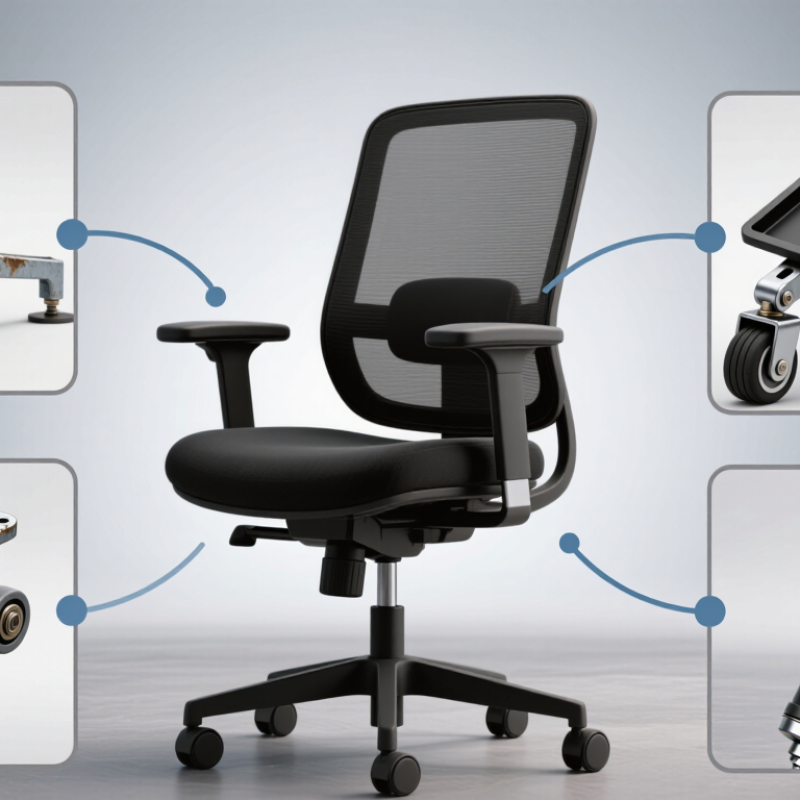
2026 Best Office Chair Fix Why It Leans To One Side?

Common Reasons an Office Chair Leans to One Side

2026 Best Office Chair Fix: Why It Leans To One Side?

Common Reasons an Office Chair Leans to One Side

A leaning office chair often has a simple mechanical cause. Uneven flooring can make the problem look worse, especially on thick carpet. Move the chair onto a hard, level surface and check it again. If it still tilts, inspect the caster stems. One damaged or partly inserted caster can change the chair’s balance.

Loose bolts are another frequent reason. Check the screws beneath the seat, backrest, and tilt mechanism. Tighten them evenly, but do not force stripped threads. The seat plate may also be bent after years of daily use. A leaning gas cylinder can create similar symptoms, although replacing it requires careful handling. Do not drill, heat, or open a pressurized cylinder.

Weight distribution matters too. Sitting on one edge repeatedly can loosen the seat connection. It may also stress the internal tilt spring. During chair inspections, I have found that a small gap beneath one mounting point explains the entire problem. Still, my first assumption is not always correct. A sloping floor or uneven desk can imitate a chair fault.

Look for cracked plastic, exposed metal, unusual clicking, or sudden height changes. Stop using the chair if the base wobbles or the cylinder slips. Compare both sides with a ruler, then photograph the faulty area before ordering parts. A qualified repair technician can identify structural damage more reliably than a quick visual check.

How to Check the Chair for Uneven Leaning

Before adjusting anything, check whether the chair or the floor is causing the uneven lean. Place the chair on a hard, level surface, away from rugs. Sit normally and look at the seat edge against your desk. Does one side sit lower? Stand behind the chair and compare the backrest with a vertical wall line. A small lean may come from posture, not damage.

I once blamed the tilt mechanism, but one caster was partly loose. Roll the chair slowly and inspect each caster, wheel stem, and base arm. Check for cracks, bent metal, or unequal wheel contact. Then remove your weight and rotate the seat several times. If the seat leans only while occupied, the gas lift, seat plate, or internal tilt joint may be worn. Do not force a stuck adjustment handle.

Use a tape measure for a clearer check. Measure from each front seat corner to the floor, keeping the tape vertical. Unequal measurements suggest a mechanical problem. Also tighten accessible bolts with the correct tool, but avoid overtightening plastic parts. If the base looks bent or the cylinder shifts sideways, stop using the chair. A qualified repair professional can inspect those components safely. My own quick visual check missed a slightly warped base, so repeating the test from several angles is worthwhile. Small errors can become uncomfortable after hours of sitting.

Steps to Fix Loose, Damaged, or Misaligned Parts

Why Does Your Office Chair Lean to One Side?

A sideways lean usually starts with a loose tilt mechanism, uneven caster, bent base, or damaged seat plate. Sit on a level floor and check whether the floor itself is uneven. Remove the seat cushion if possible, then inspect every bolt under the chair. Tighten loose fasteners gradually, alternating sides. Do not over-tighten plastic housings. They can crack quietly. Next, test each caster and press the chair base against the floor. A bent five-star base should be replaced, not forced straight. OSHA’s Computer Workstations eTool identifies chair height, backrest support, and stable adjustment controls as important ergonomic factors.

If the chair still leans, inspect the gas-lift cylinder and tilt plate for movement. Hold the backrest while gently shifting your weight. A clicking sound, visible gap, or sudden drop suggests internal damage. Stop using the chair until the part is professionally replaced.

The U.S. Bureau of Labor Statistics recorded 946,290 occupational injury and illness cases involving days away from work because of musculoskeletal disorders in 2023. Poor seating is not the only cause, but unstable support can increase awkward posture.

Tips: Mark the original bolt positions before disassembly. Photograph hidden parts. Test the chair for five minutes after each repair. I once tightened only the front bolts, and the lean became worse. That mistake showed me the real issue was a twisted mounting plate, not a loose screw. Recheck alignment from the front and side.

When to Replace the Chair Mechanism or Base

A chair that leans to one side may need more than a quick adjustment. Check the floor first. Uneven flooring can imitate a damaged chair base. Sit down, raise the seat, and inspect the five legs for cracks, bent metal, or loose wheels. A tilted base usually feels unstable, especially when you roll or turn.

The mechanism deserves attention when the seat tilts while the base remains level. Look beneath the seat for loose bolts, worn pivot points, or a plate that shifts under pressure. Tightening hardware can help, but it will not repair cracked metal or a failing tilt spring.

I once blamed the gas lift for a sideways lean, but the real problem was a twisted mounting plate. My first diagnosis was wrong.

Replace the base when one leg is visibly bent, split, or separating from the center hub. Do not rely on glue or improvised brackets. The base carries your full weight during movement. Replace the mechanism when its frame is cracked, its tilt lock slips, or the seat stays uneven after proper tightening. Choose a compatible replacement with matching hole spacing and weight capacity. If the chair still leans after replacement, stop using it and have a qualified technician inspect the frame. Safety can be easy to overlook.

Ways to Prevent Future Office Chair Imbalance

An office chair rarely leans without a reason. Uneven casters, a loose tilt mechanism, or a worn gas lift can shift your weight sideways. I once ignored a slight lean for weeks. The uneven pressure eventually made one armrest feel higher than the other.

Prevention starts with a level floor and regular inspections. Place the chair on a firm surface, then check every caster for hair, dust, or cracks. Tighten visible bolts without forcing them. Keep the seat height low enough for both feet to rest flat. Your knees should remain close to hip level. The 2023 U.S. Bureau of Labor Statistics report recorded 946,900 private-industry musculoskeletal disorder cases involving days away, transfer, or restriction. A balanced chair cannot remove every risk, but it can reduce awkward sitting habits. ANSI/BIFMA X5.1 also emphasizes stability, durability, and safe performance during office-chair testing.

Tips: Test the chair weekly. Sit upright, rotate slowly, and notice any drifting. Measure the floor if one caster looks shorter. Replace damaged casters as a matched set, not one at a time. Avoid leaning heavily on one armrest. Do not use books under a single chair leg; that fix often creates another imbalance. Recheck the chair after moving it between rooms. Small adjustments matter. A yearly inspection is sensible, although busy users may forget it. That is the part worth improving.

FAQS

How can I tell whether the floor or chair causes the uneven lean?

Place the chair on a hard, level floor without a rug. Sit normally and compare the seat edge with your desk. Then check the backrest against a vertical wall line. Posture can mislead you.

What should I inspect on the chair base?

Roll the chair slowly and inspect every caster, wheel stem, and base arm. Look for cracks, bent metal, loose wheels, or uneven contact. A damaged base can feel unstable during turning.

How can I measure the lean more accurately?

Measure from each front seat corner to the floor. Keep the tape vertical. Unequal measurements may indicate a mechanical problem. Repeat the test from several angles.

What does it mean if the chair leans only when occupied?

The gas lift, seat plate, or internal tilt joint may be worn. Remove your weight and rotate the seat several times. If the base stays level, inspect the mechanism beneath the seat.

Can tightening bolts fix a leaning office chair?

Tighten accessible bolts with the correct tool. Do not overtighten plastic parts. Tightening cannot repair cracked metal, worn pivots, or a failing tilt spring. My first diagnosis was wrong once.

When should I replace the chair base?

Replace the base if a leg is bent, split, or separating from the center hub. Do not depend on glue or improvised brackets. The base carries your weight during movement. Safety comes first.

When should I replace the chair mechanism?

Replace it when the frame is cracked, the tilt lock slips, or the seat remains uneven. Choose a compatible part with matching hole spacing and weight capacity. If leaning continues, stop using the chair.

How can I prevent the chair from becoming uneven again?

Check the chair weekly on a firm, level surface. Remove hair and dust from the casters. Tighten visible bolts without forcing them. Keep both feet flat and avoid leaning heavily on one armrest.

Should I replace one damaged caster or all of them?

Replace damaged casters as a matched set. One new caster may create unequal height or rolling resistance. Recheck the chair after moving it between rooms. Small changes matter, though I sometimes forget them.

Conclusion

An office chair that leans to one side can result from loose screws, an uneven seat plate, a damaged tilt mechanism, worn caster components, or a bent base. If you are asking, “Why is my office chair leaning to one side,” begin by placing it on a level floor and checking whether the seat, backrest, cylinder, and five-star base are aligned. Compare the height of each side, inspect for visible damage, and gently tighten all accessible bolts and screws.

Small alignment problems may be corrected by tightening hardware, repositioning the seat mechanism, replacing worn casters, or adjusting the tilt tension. However, a cracked base, bent support, unstable gas lift, or severely damaged mechanism may require professional replacement or a new chair. To prevent future imbalance, avoid sitting on the edge, do not overload the chair, keep the casters clean, tighten hardware regularly, and use the chair on a smooth, level surface.

Charlotte

Charlotte

Charlotte is a seasoned marketing professional with a deep understanding of the company's portfolio and a passion for elevating its presence in the market. With a keen eye for detail and a commitment to excellence, she ensures that our professional blog is regularly updated with insightful articles......