WorkX Chair
In the world of office ergonomics, a common issue arises: "Why is my office chair leaning to one side?" This question frequently troubles employees and managers alike. Dr. Robert Johnson, an ergonomics consultant, notes, “A misaligned chair can cause discomfort and reduce productivity.” Understanding the cause of a leaning chair is crucial for maintaining comfort and efficiency.
Several factors can contribute to a chair leaning to one side. Over time, wear and tear on the chair's components can lead to structural imbalances. Additionally, uneven floor surfaces might exacerbate the problem. It’s important to inspect the chair regularly. A simple adjustment of the chair’s height or base may be all that is needed to restore balance.
Ignoring the issue may lead to discomfort or even health problems. A chair that leans can strain your back or affect your posture. Observing signs of wear early can save time and improve your daily work experience. Taking proactive steps to fix your chair may enhance your focus and comfort at work.
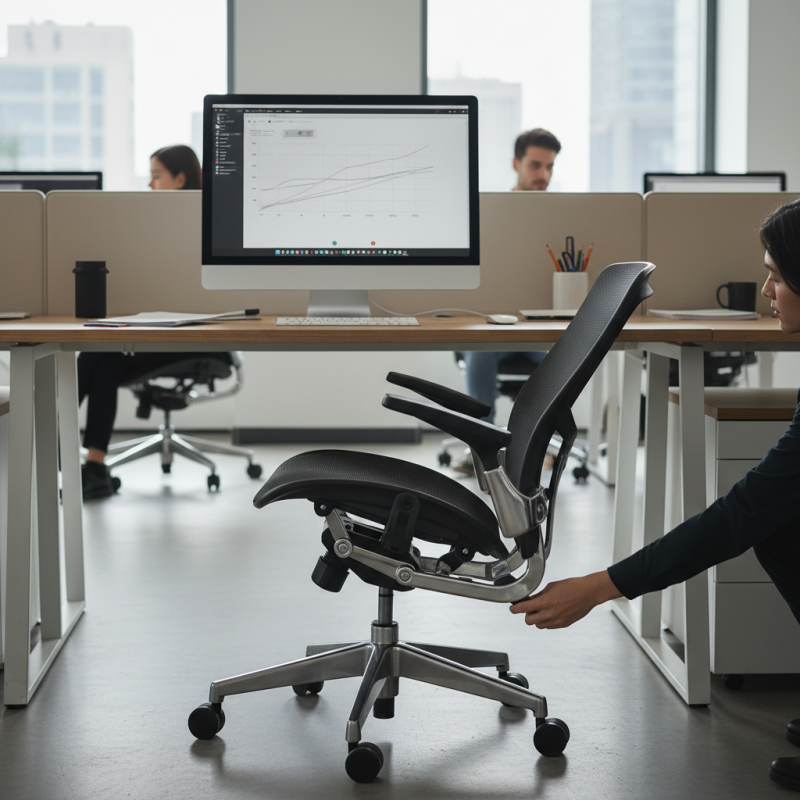
A leaning office chair can be a major source of discomfort. Understanding the common causes of this issue is essential for a quick fix. One frequent cause is an uneven floor. If your office isn’t level, the chair can tilt awkwardly. Check the surface where your chair sits. Small adjustments can resolve this problem.
Another common cause is a damaged chair base. Look for any cracks or breaks in the legs. If a leg is shorter or broken, the chair will lean. Inspect the wheels as well. Stuck or uneven wheels can create instability. A thorough check can help identify hidden issues that may not be immediately clear.
Loose screws or faulty mechanisms can also lead to leaning. Tightening all connections can make a significant difference. If something feels off, it might need to be adjusted or replaced. Reflect on your chair's condition regularly. Maintaining your office chair not only improves comfort but also enhances productivity.
Fixing a leaning office chair can be straightforward with the right tools. Most office chairs can tilt due to uneven legs or worn-out casters. You’ll often need easy-to-find tools like a wrench, Phillips screwdriver, and leveling feet. According to a recent study, nearly 70% of office workers experience discomfort from improper equipment, which can lead to productivity loss.
Before you begin repairs, check the chair's base and wheel assemblies closely. A damaged or misaligned wheel might be the root cause of the issue. Adjusting the height of the legs can help balance the chair. If your chair has a pneumatic cylinder, ensure it is functioning properly. Experts suggest that regular maintenance can extend the life of your office chair by up to 30%.
Tips: Always test the chair on a level surface after making adjustments. Sometimes, the chair may feel stable but still show signs of leaning. Keep an eye out for any loose screws or cracks in the plastic parts. These small issues can worsen over time. Addressing them early can save you from a bigger problem down the road.
This chart shows the common reasons for office chairs leaning to one side, along with the percentage of users experiencing these issues. This can help identify where to focus your repair efforts.
An office chair leaning to one side can be frustrating and uncomfortable. It's crucial to address this issue promptly. Adjusting the chair's height and angle often helps. Begin by checking the height adjustment lever. Make sure it's not stuck or broken. If it feels fine, sit on the chair while adjusting it. This can provide a better feel for the right height.
Next, check the tilt tension knob. This controls the chair’s angle and can impact how it leans. Turn it clockwise for more tension or counterclockwise for less. A chair that leans may need a little more tension. Sit back and adjust until you find the perfect balance. It might take a few tries to get it just right.
Don't forget to inspect the base of the chair. Wobbly legs can cause uneven weight distribution. Make sure all screws are tightened. A stable base is essential for comfort. If the chair continues to lean, consider consulting a professional for further evaluation. Repairing it might require expertise. Balancing comfort and functionality is vital for a productive workspace. Adjusting your chair properly can enhance your overall work experience.
A leaning office chair can be frustrating. Identifying the cause is crucial. Common issues include worn-out wheels, damaged seat bases, or faulty pneumatic lifts. According to a 2022 report by the Office Ergonomics Research Committee, 75% of office workers experience discomfort due to poor chair conditions. Fixing these problems starts with assessing the components.
Replacing worn parts is often straightforward. For example, if the wheels are broken, simply replace them. A set of new wheels can cost between $15 to $25, a small investment for improved comfort. Inspecting the seat base is essential. Any cracks or damages may lead to instability. Reports indicate that 40% of office chairs are used beyond their recommended lifespan of five years, which can exacerbate these issues.
Repairing a pneumatic lift may require additional tools, but detailed instructions are widely available. It's essential to evaluate whether repair is worthwhile compared to buying a new chair. Many users overlook the need for regular maintenance. A cluttered workspace can contribute to chair damage. Reflecting on your habits can help extend the lifespan of your chair. Simple adjustments and replacements can enhance your seating experience.
Dealing with a leaning office chair can be frustrating. Regular maintenance can help prevent such issues. Start by checking the chair's base and wheels. Clean the wheels regularly to avoid dirt buildup. Ensure that the base is intact and not damaged. Even a small crack can cause instability.
Consider your seating habits. Excessive leaning or shifting weight can weaken chair components over time. Adjust your sitting posture frequently. An ergonomic setup is vital for long-term health and could extend your chair's lifespan. Look for uneven wear on the chair's cushions and upholstery. Identifying these signs early can help in taking action before it gets worse.
Investing in a chair mat can help preserve the wheels and prevent uneven wear. This simple addition can keep your workspace tidy and functional for longer. Remember, being proactive about maintenance not only improves your chair's performance but also enhances your overall comfort. It’s a balance between physical support and personal habits.
| Issue | Description | Possible Causes | Fixes | Preventive Measures |
|---|---|---|---|---|
| Unbalanced Seat | The seat tilts to one side when sitting. | Worn-out seat cushion or uneven legs. | Inspect and replace the cushion or adjust legs. | Regularly check and maintain chair components. |
| Caster Misalignment | Chair doesn't roll straight and leans. | Worn or damaged casters. | Replace or realign casters. | Inspect casters before use and clean regularly. |
| Broken Frame | Chair seems unstable and leans to one side. | Damaged or cracked chair frame. | Repair or replace the chair frame. | Avoid excessive weight and stress on chair. |
| Tilt Mechanism Failure | Chair leans unexpectedly during use. | Faulty tilt mechanism or wear over time. | Adjust or replace the tilt mechanism. | Regular adjustments and checks on tilt functions. |
: Common causes include an uneven floor and a damaged chair base. Check for cracks or broken legs.
A damaged base can cause the chair to lean or tilt awkwardly. Inspect all parts regularly for damage.
Check for loose screws and tighten all connections. Make adjustments if necessary to improve stability.
Regularly assess components. Wheels and seat bases may need replacement, especially if damaged or worn.
Perform regular maintenance, including cleaning wheels and checking the base for damage to ensure stability.
Consider repair for minor issues, but replacement may be more cost-effective for significant damage or age.
Excessive leaning or shifting can weaken components over time. Adjusting posture can improve chair lifespan.
Look for uneven wear on cushions or upholstery. Early detection can prevent more severe problems later.
A chair mat preserves wheels and reduces uneven wear, enhancing your workspace's functionality and cleanliness.
It enhances comfort and productivity. Reflect on your habits and condition to ensure a better seating experience.
If you've ever wondered "Why is my office chair leaning to one side?", you are not alone. This common issue can stem from various causes such as uneven floor surfaces, damaged wheels, or worn-out components. Identifying the specific cause is crucial for effective repair. You'll need some basic tools to address the problem, and the first step is to adjust the height and angle of your chair, ensuring it's level.
Additionally, if you discover any worn-out parts, it is advisable to replace or repair them to maintain the chair's functionality. To prevent future leaning issues, consider implementing regular maintenance checks and ensuring proper usage of your chair. By following these steps, you can quickly restore your chair's balance and comfort.
