WorkX Chair
When considering office furniture, posture is a critical concern. Many wonder, "Are armless office chairs better for posture?" Dr. Emily Sanderson, an ergonomic expert, emphasizes that "the right chair choice can significantly influence your posture over time." Her insights highlight the growing interest in armless designs.
Armless office chairs have gained popularity for their minimalistic approach. They allow for more freedom of movement, which can contribute to a more dynamic sitting experience. This design minimizes the risk of shoulder and neck strain, common in traditional chairs with armrests. However, some may find the lack of support uncomfortable, especially during long hours of work.
It’s essential to balance comfort and support. While armless chairs can promote a more natural sitting position, they may not suit everyone’s needs. Users must consider their unique body posture and work habits. A chair that works for one person might not be the best fit for another. Thus, exploring various options becomes crucial.
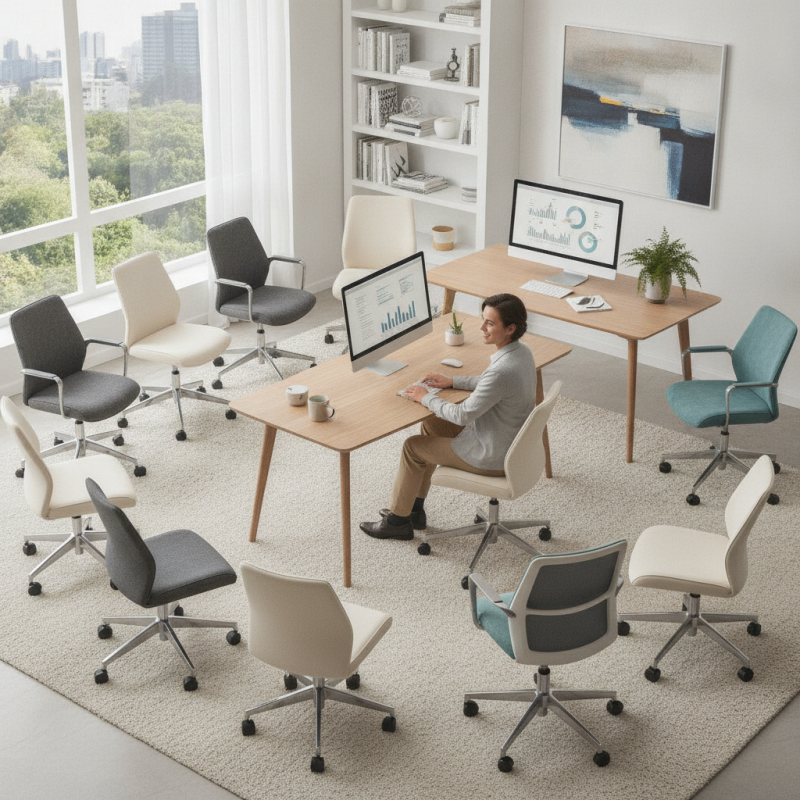
Armless office chairs can significantly improve your posture. Without armrests, you are encouraged to sit upright. This encourages better spinal alignment. Good posture helps reduce fatigue during long work hours. Many people slouch when they lean on armrests. Eliminating this can promote a healthier sitting position.
Additionally, armless chairs provide greater freedom of movement. You can shift your legs more easily, improving circulation. This flexibility can help prevent stiffness, a common issue with traditional chairs. Sitting without armrests allows for a more dynamic work experience. You can adjust your position as needed, while staying comfortable.
It's important to note that not every armless chair will work for everyone. Individual needs vary based on body type and personal preference. Observing how your body feels after prolonged use can be enlightening. Some may find these chairs less supportive. This is a crucial point to evaluate when considering a new chair for better posture.
When selecting armless office chairs, several key features can significantly enhance posture and overall comfort. One crucial aspect is seat height adjustability. According to a 2021 report by the American Chiropractic Association, proper seat height can reduce strain on the lower back by 45%. Look for chairs that allow you to customize this setting easily.
Another essential feature is seat depth. A chair with inadequate depth can lead to poor posture and discomfort during long work hours. Industry standards suggest a seat depth of 16-18 inches for optimal support. Additionally, breathable fabric is often overlooked. Materials that promote airflow can help maintain comfort, especially during prolonged use. In a recent survey, over 70% of office workers reported feeling more productive in well-ventilated seating.
Lastly, while armless designs can promote freedom of movement, the absence of armrests can sometimes lead to tension in your shoulders. Consider chairs that provide adequate lumbar support to counter this drawback. Remember, the perfect chair does not exist universally; personal preferences and body types vary widely. Each individual might need to experiment with various designs before finding their ideal match. Regular breaks and mindful posture awareness remain vital in maintaining long-term comfort and health.
| Chair Model | Key Features | Adjustability | Material | Price Range |
|---|---|---|---|---|
| Model A | Ergonomic design, breathable mesh, lumbar support | Height adjustable | Mesh | $150 - $200 |
| Model B | Cushioned seat, adjustable backrest | Seat depth adjustment | Fabric | $200 - $250 |
| Model C | Minimalist design, durable frame, easy to assemble | Fixed seat height | Plastic | $100 - $150 |
| Model D | Sleek design, supportive cushions, wheels for mobility | Height & tilt adjustment | Leather | $250 - $300 |
| Model E | Eco-friendly materials, compact design, stable base | Non-adjustable | Bamboo | $120 - $170 |
| Model F | Simple design, soft cushions, lightweight | Fixed backrest | Fabric | $80 - $130 |
| Model G | Contoured seat, built-in lumbar, stylish look | Height adjustment | Mesh | $180 - $230 |
| Model H | Tall back, headrest, modern design | Height and backrest adjustment | Leather | $300 - $400 |
| Model I | Compact design, sturdy frame, affordable | Fixed height | Plastic | $70 - $100 |
| Model J | Comfortable, sleek design, easy to clean | Height and seat depth adjustment | Fabric | $130 - $180 |
Choosing the right office chair is essential for maintaining good posture. Armless office chairs can offer flexibility and comfort without the constraints of armrests. These chairs promote better movement, allowing users to shift and adjust their seating position. This is vital during long hours of work. A chair that supports your back and promotes an ergonomic posture is crucial for overall health.
Many armless office chairs feature lumbar support to reduce strain on the back. The seat cushion should be firm yet comfortable, allowing for prolonged usage without discomfort. Look for adjustable height and tilt options. These features are key to customizing your seating experience. A well-fitted chair encourages engagement, preventing fatigue and discomfort.
However, finding the right fit can take time. Test different styles to see what works best for you. Some people might miss the support of armrests while others find them restrictive. It’s important to reflect on what you need. Think about your daily tasks and how often you change positions. This consideration will guide you toward a chair that truly enhances your work experience.
This chart displays user ratings for the top 10 recommended armless office chairs. A higher rating indicates better ergonomic support and user satisfaction, which contributes to improved posture during office work.
User reviews indicate that armless office chairs enhance comfort and promote better posture. Many users report feeling more freedom of movement. This flexibility allows individuals to shift positions easily. The absence of armrests encourages a natural seating position.
However, some users note that transitioning to an armless chair can be challenging. Frequent users might feel slight discomfort initially. It may take time to adjust. Users recommend using a cushion for added support. This can alleviate pressure points on the lower back.
When selecting an office chair without arms, consider height adjustment features. Proper height ensures your feet rest flat on the floor. Additionally, look for a chair with lumbar support. This feature can help maintain the spine's natural curve. Regular breaks from sitting are also advisable. Standing or stretching can improve overall posture and reduce tension.
Adjusting your armless office chair can significantly improve your comfort and overall posture. Reports suggest that over 80% of professionals experience issues related to bad posture. A well-adjusted chair is crucial for mitigating these problems. The height, tilt, and back support play essential roles in maintaining spinal alignment.
When you sit in your chair, your feet should rest flat on the ground. Ensure your knees are at a 90-degree angle. If your chair is too high, consider adding a footrest. This adjustment can help keep your hips aligned. It's also vital to check the backrest. A slight backward tilt can relieve pressure on your lower back. Spend a few minutes experimenting with seat height and backrest position. This trial and error can lead to valuable insights about your comfort.
Regular breaks are essential, even if your chair is well-adjusted. Standing or walking for a few minutes can reduce strain. Look for cues from your body. If you feel discomfort, it’s a signal to make changes. Listen to these signals, as they can guide you toward better posture. These adjustments may not be perfect but can lead to significant improvements in your sitting experience.
: Armless office chairs improve posture by encouraging an upright sitting position, promoting better spinal alignment.
They allow greater freedom of movement, making it easier to shift legs and preventing stiffness during long periods.
Key features include seat height adjustability, proper seat depth, and breathable fabric for comfort during extended use.
No, the perfect chair varies by individual. Personal preferences and body types will affect what works best for each person.
Reflect on your needs, consider lumbar support, and remember to take regular breaks to maintain comfort and health.
Proper seat height can reduce lower back strain. Adjustability is crucial for personalized comfort and support.
Yes, the absence of armrests might lead to shoulder tension, so look for good lumbar support in chair designs.
Breathable fabric is essential for maintaining comfort and can enhance productivity during long work sessions.
Yes, trying various styles can help you find the best fit for your body and work habits.
Regularly evaluate your chair’s comfort and support, especially after long hours of use, to ensure it meets your needs.
Armless office chairs have gained popularity for their potential to improve posture and promote comfort during long hours of work. By providing freedom of movement and reducing the likelihood of leaning or slouching, many users wonder, "Are armless office chairs better for posture?" The article outlines the key benefits of using these chairs, such as increased mobility and enhanced support for the back and shoulders.
In addition to highlighting the essential features to look for when selecting an armless office chair, the article also presents a curated list of the top 10 recommended models known for their ergonomic design. User reviews provide insight into real-world experiences, while practical tips for adjusting the chair ensure optimal comfort and alignment. Overall, incorporating an armless office chair into your workspace could be a beneficial step toward maintaining better posture throughout the workday.
